


MARVEL Tōkon: Fighting Souls Hands-On Preview

Updated: Jul 15
MARVEL Tōkon: Fighting Souls combines explosive 4v4 combat, anime-inspired heroes, and dynamic stages, my hands-on impressions.
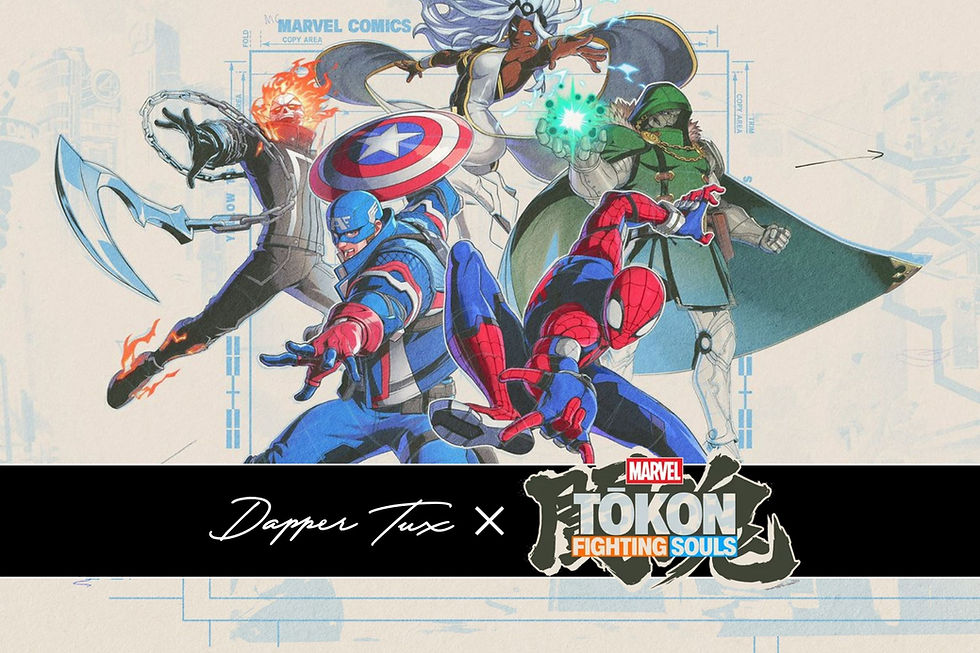
Marvel fighting games have always carried enormous expectations. For a player like me, the name immediately brings back memories of frantic assists, screen-filling special attacks and dream matchups from the Marvel vs. Capcom series. That history makes MARVEL Tōkon: Fighting Souls especially interesting. Rather than attempting to recreate what came before, Arc System Works is rebuilding the Marvel fighting-game formula in its own image.

After spending an hour with the latest PlayStation 5 build at PlayStation Canada headquarters, I came away impressed by how confidently it establishes a new identity. The game is stylish, colourful and completely over the top, but there is a fine-tuned fighting system operating beneath all that spectacle. It’s easy to pick up and play, but it still offers a challenge if you want to master it.
The build included 14 playable characters, with Magneto and Black Panther among its newest additions. I spent time experimenting with their contrasting styles, testing different four-character combinations and smashing opponents through some of Marvel’s most recognizable locations. By the end of the session, Wolverine had become my early favourite, but the bigger takeaway was how much personality Arc System Works has packed into every part of the experience. Let’s dive into my full preview and unpack all the Fighting Souls action.

Arc System Works Forged a Fresh Marvel Fighter
From the start screen, MARVEL Tōkon Fighting Souls immediately establishes its own identity. Arc System Works has reimagined the roster with sharper character designs, mechanical detail and anime-inspired flair.
Iron Man’s armour looks sleek, Ghost Rider fills the screen with fire and chains, and Storm carries a commanding presence. Magneto looks large and imposing, and Wolverine appears ready to tear through anything in his path.
Some of the biggest attacks shift into blue-and-white manga panels and storyboard-like cut-ins, making major hits feel like a comic page or anime sequence exploding across the screen. These moments gave every round a strong visual aesthetic that carried throughout, and I absolutely love how it looks; it makes successful special attacks especially rewarding.

A Different Kind of 4v4 Fighter
Tōkon is described as a 4v4 fighter, but it does not play like four separate one-on-one battles. Your squad shares a single health bar, making the team feel like one fighting unit. I began each match with a “Leader,” that I could choose before the match. Additional teammates became available as the fight progressed. Landing attacks, defending and building momentum gradually opened more assist and crossover options. Every round felt as though my Marvel team was assembling in real time.
The opening moments were focused.

As more characters became available, assists extended combos, covered missed attacks and helped me maintain pressure. By the end of a round, the screen could become a whirlwind of heroes, projectiles and special effects. I could concentrate on my Leader first and gradually bring the rest of the squad into my strategy. It makes the game welcoming, while team order, assist timing and character balance offer plenty of deeper strategy to explore.

Magneto and Black Panther offer contrasting styles
During the play session, I got to check out the EVO 2026 build, so it offered up some of the latest officially revealed characters like Magneto and Black Panther. Magneto delivered the powerful ranged style I hoped for. He excels at controlling space and forcing opponents to respect his attacks before moving closer. His magnetic powers allow him to manipulate objects and turn debris into weapons. I enjoyed creating distance, hurling objects and making my opponent react.

He felt more like a “tank” with heavy attacks that felt deliberate and powerful. Magneto worked best when I slowed down, watched my positioning and controlled where my opponent could move. I could see him becoming especially dangerous once players learn how to combine his ranged attacks with carefully timed assists.

Black Panther offered the opposite rhythm. This version is Shuri, and her fighting style combines speed, mobility and strong reach. Her “Spear of Bashenga” gave me useful mid-range options, while “Bast’s Blessing” allowed me to dash quickly in several directions. I liked placing her near the front of my team’s roster as a quick-strike option.
Wolverine became my early favourite
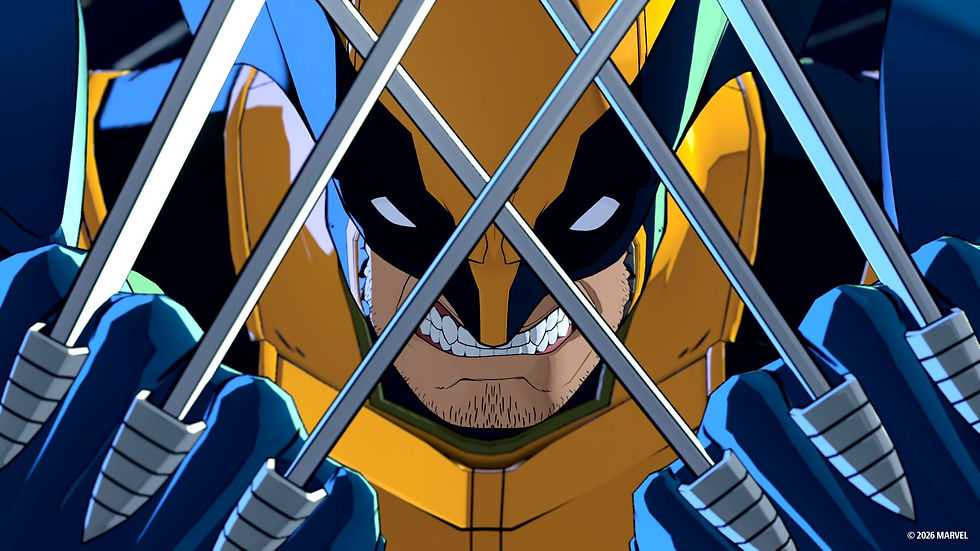
Wolverine was the character I kept returning to. His playstyle felt direct, aggressive and immediately satisfying. His claw attacks carried a convincing sense of weight, especially with the DualSense haptics reinforcing heavier hits. I could move forward, apply pressure and force opponents to react without overthinking my approach. I think he’ll be an early “hack-n-slash” favourite for many players.
He was easy to understand during a short preview, but he never felt shallow.
Once I combined his attacks with assists, his aggression became the foundation for longer sequences. His movement also made it easy to stay close to opponents and continue attacking before they could regain control. After controlling the arena with Magneto and moving quickly with Black Panther, Wolverine gave me the close-range power I naturally gravitated toward. He was the character who made me want one more match.

Stages Feel Like Part of the Battle
The stages are nearly as impressive as the roster. The build included the Savage Land, X-Mansion, New York City, Wakanda, and Knowhere, with several of them featuring multiple playable areas.
Powerful attacks could send opponents through walls and into a new section. These transitions gave fights a sense of escalation and produced some of the strongest DualSense feedback during my session. Feeling the controller react as the environment broke apart helped make these moments feel like part of the battle rather than a separate cinematic.
The environments are packed with background activity and Marvel references. Knowhere stood out for its scale, while Wakanda blended futuristic technology with vibrant scenery. New York shifted between City Centre and Hell’s Kitchen, making each round feel like part of a larger confrontation.
Final Thoughts on MARVEL Tōkon: Fighting Souls
After an hour with MARVEL Tōkon: Fighting Souls, I left PlayStation Canada headquarters wanting more. Arc System Works has found a way to make familiar heroes feel new without losing what makes them iconic. I do want more time to test its online performance, single-player content and complete roster. But this latest build made a strong impression. Based on what I played, Fighting Souls is stylish, fast, approachable and packed with personality. If the final game supports its fighting foundation with strong online play and meaningful single-player content, it could become one of 2026’s standout games, and I can’t wait to jump back in.
About the Author - Matthew "Dapper Tux" Rondina
Matthew has been involved in all things gaming since the 8-bit era. He is a video game and tech industry veteran who has been passionate about technology and gaming for over 20 years. In addition to being the Managing Editor of dappertux.com, he has bylines with Best Buy, Cineplex Entertainment, Mobile Syrup and Walmart. Follow Matthew’s gaming + tech adventures on multiple social platforms with the handle @dapper_tux via X, Instagram, Threads, TikTok, and join in on the fun!
dappertux.com uses affiliate links to provide a way for this website to earn advertising income. The blog may earn a referral commission on purchases made via these links.


Comments